The Human Papillomavirus (HPV) vaccine is most effective when given early, but it remains highly beneficial for sexually active men up to age 45. In Singapore, the vaccine protects against high-risk viral strains that cause anal, throat, and penile cancers, as well as genital warts.
While the ideal window is often cited as childhood to young adulthood, catch-up vaccinations for adults are common and recommended. Read on to understand the specific dosage schedules and age guidelines relevant to you.
Understanding HPV And Its Risks
What is Human Papillomavirus (HPV)?
Human Papillomavirus, commonly known as HPV, is a very common group of viruses. It is so common that nearly all sexually active men and women will get at least one type of HPV at some point in their lives. The virus is passed through skin-to-skin contact during sexual activity. This means you do not need to have penetrative sex to get it.
Most people with HPV do not know they have it. This is because the virus often shows no signs or symptoms. You can be a carrier of the virus and pass it to a partner without realising it. While the body’s immune system clears many HPV infections naturally, some infections persist and can cause health problems later in life. The best way to know if you are infected is through professional HPV testing.
Health Risks Specific to Men
For a long time, HPV was discussed mostly in relation to women’s health. However, men are also at significant risk. Certain high-risk strains of HPV can lead to cancers that specifically affect men. These include penile cancer, anal cancer, and oropharyngeal cancer (cancer of the back of the throat, including the base of the tongue and tonsils).
Besides cancer, HPV is also the primary cause of genital warts. These are caused by low-risk strains, such as types 6 and 11. While warts are not life-threatening, they can be uncomfortable, unsightly, and difficult to treat.
For men who have sex with men (MSM), the risk of anal cancer is higher compared to the general population. This makes proactive healthcare steps, such as vaccination, very important for the LGBTQ+ community.
Health Risks Specific to Women
For women, HPV has long been recognised as a major health concern, and timely vaccination plays a key role in preventing many of the complications associated with the virus. While most infections resolve naturally, persistent high-risk HPV strains can lead to the development of cervical abnormalities.
The most well-known health risk for women is cervical cancer. Nearly all cervical cancer cases are linked to HPV, especially types 16 and 18. Without early vaccination, women remain vulnerable to these high-risk strains during their sexually active years.
HPV can also cause vaginal and vulvar cancers, which, although less common than cervical cancer, still present significant health risks if left undetected. Regular screening helps, but vaccination provides strong protection before exposure.
Like men, women can also develop genital warts caused by low-risk HPV types. These can be recurrent, distressing, and may require multiple rounds of treatment.
Recommended Age Guidelines for HPV Vaccination
The “Ideal” Window: Ages 9 to 26
Medical experts often recommend vaccination at a younger age. The primary age range is usually between 9 and 26 years old. There are two main reasons for this. First, the body’s immune response to the vaccine is stronger in younger people. This means the body builds better protection.
Second, the vaccine works best if it is given before a person is exposed to the virus. Since HPV is a sexually transmitted disease, giving the vaccine before sexual activity begins offers the most protection.
However, even if you are already sexually active in this age group, you should still get vaccinated. It is unlikely you have been exposed to all the different strains of HPV that the vaccine covers.
Vaccination for Adults Aged 27 to 45
If you are over the age of 26, you might wonder if vaccination is still useful. The answer is yes. In Singapore, the vaccine is approved for use in men up to age 45.
For adults in this age group, vaccination is often a “clinical decision.” This means you discuss your lifestyle and risks with your doctor. Most adults aged 27 to 45 are already sexually active. You may have been exposed to some HPV types. However, the vaccine used today (Gardasil 9) protects against nine different strains. It is very possible that you have not caught all of them.
If you have new partners, or if you are in a non-monogamous relationship, your risk of encountering new strains continues. Vaccination at this age provides protection against the strains you have not yet met.
Vaccination Schedule and Dosage
Two-Dose Schedule
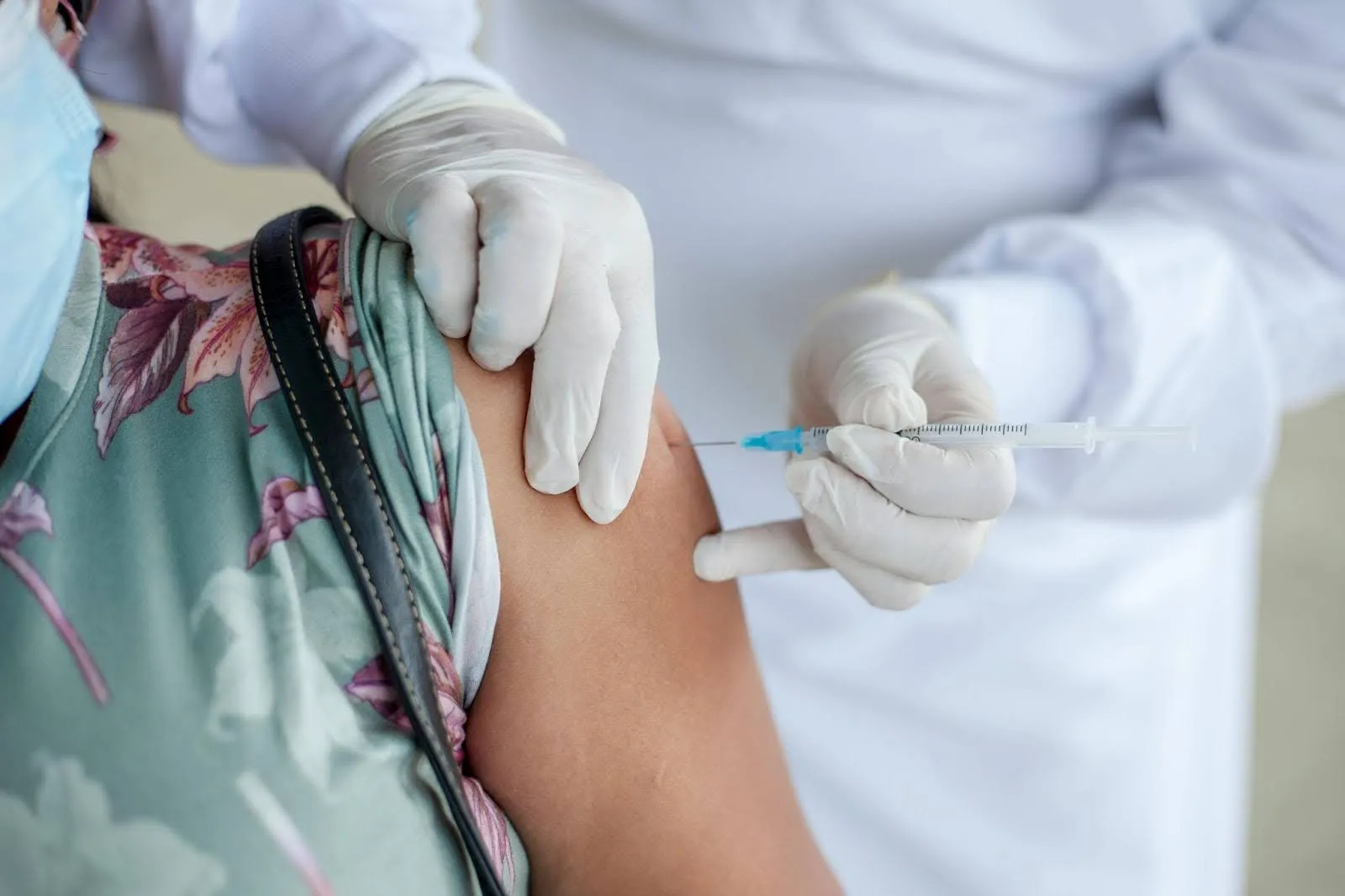
The number of doses you need depends on the age you start the vaccination series. For younger individuals, typically those under the age of 15, a two-dose schedule is used.
- Dose 1: At a date you choose.
- Dose 2: Given 6 to 12 months after the first dose.
This schedule is sufficient because younger immune systems respond very vigorously to the vaccine.
Three-Dose Schedule for Adults
For everyone aged 15 and older, including our target audience of men aged 23 to 55, a three-dose schedule is required to ensure full protection. It is important not to skip any doses.
- First Dose: Given at a date you choose.
- Second Dose: Given 2 months after the first dose.
- Third Dose: Given 6 months after the first dose.
If you cannot make the exact date, there is some flexibility, but you should try to stick to the schedule as closely as possible. All three doses should ideally be given within a one-year period.
The Importance of Catch-Up Vaccination
Why It Is Not “Too Late”
A common myth is that the HPV vaccine is useless if you have already had sex or if you have had an STD before. This is not true. The vaccine prevents infection; it does not treat existing infections. However, because there are many different types of HPV, having one type does not make you immune to the others.
For example, if you have been exposed to HPV type 16, the vaccine will not cure that. But it will still protect you against HPV type 18, 31, 33, and the types that cause genital warts. Protecting yourself against even a few of these strains can prevent serious complications like throat or anal cancer in the future.
Protecting Your Community
Getting vaccinated is also a way to care for your community. This is known as “herd immunity.” When more people in the LGBTQ+ community are vaccinated, the virus has fewer places to go. This slows down the spread of HPV.
This is especially helpful for people who may have weaker immune systems, such as those living with HIV. By reducing the overall amount of virus circulating in the community, you help protect partners and friends who might be more vulnerable to infection.
What to Expect During and After Vaccination
The Vaccination Procedure
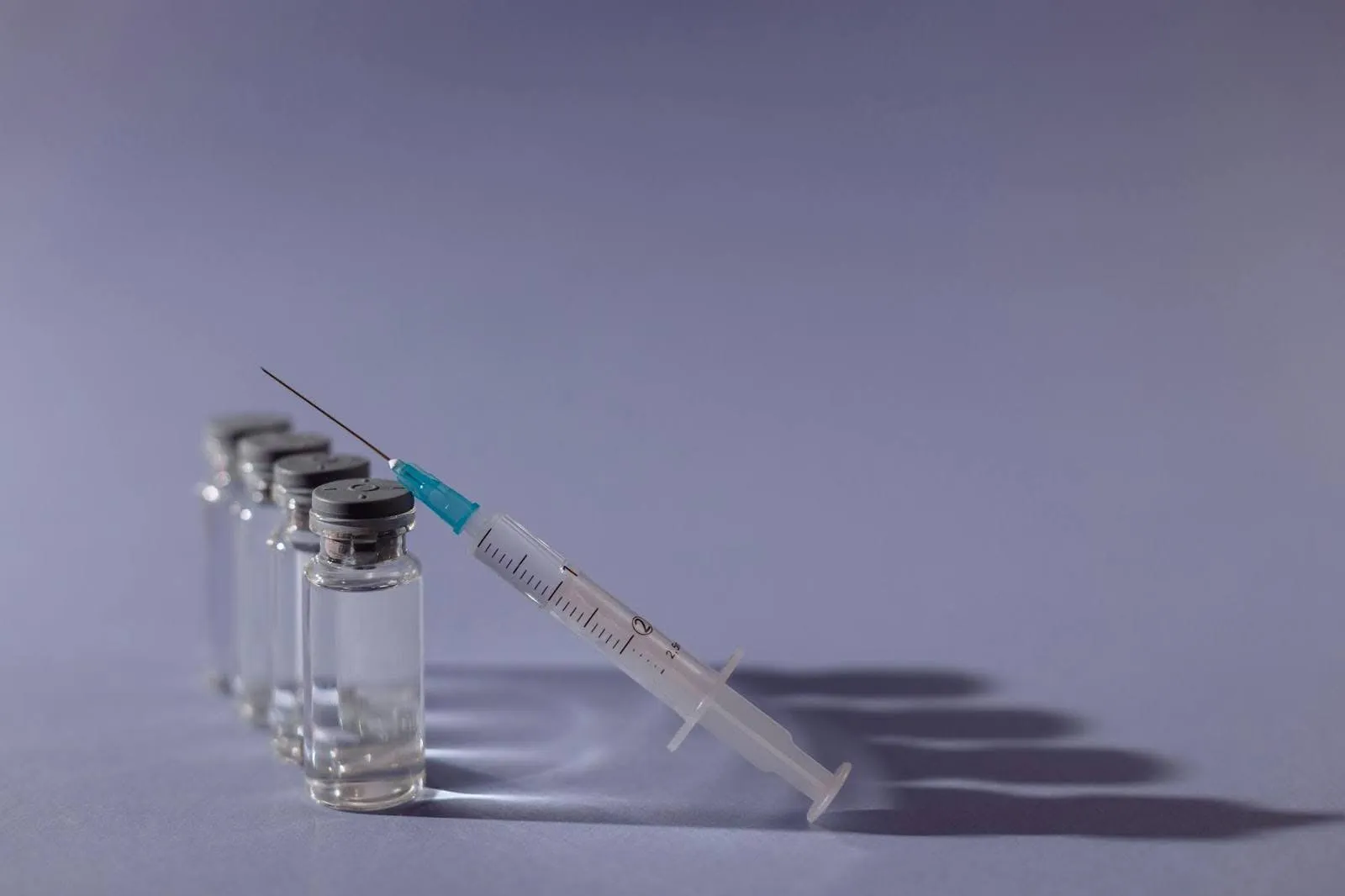
Getting the HPV vaccine is a simple and quick procedure. It is done as an outpatient service at a General Practitioner (GP) clinic. You do not need to stay in the hospital.
The doctor or nurse will give the injection into the muscle of your upper arm. The actual injection takes only a few seconds. The clinic staff will ensure you are comfortable throughout the process.
Potential Side Effects
The HPV vaccine is known to be very safe. Like any medicine, it can have side effects, but these are usually mild and go away on their own.
Common side effects include:
- Pain, redness, or swelling in the arm where the shot was given.
- A mild fever.
- A headache.
- Feeling tired.
Serious side effects are extremely rare. After the vaccination, you may be asked to sit and rest for about 15 minutes. This is a standard safety check to ensure you do not feel dizzy or faint, which can sometimes happen due to anxiety about needles rather than the vaccine itself.
Cost and Accessibility in Singapore
Private Clinics vs. Polyclinics
In Singapore, the HPV vaccine is widely available. While the national school-based vaccination programme focuses on females, men can access the vaccine through private General Practitioner (GP) clinics.
Private clinics often offer flexible appointment times and a discreet environment, which many patients prefer. When choosing a clinic, look for one that is transparent about their pricing so you know exactly what the full course of three doses will cost.
Using MediSave
Patients often ask if they can use MediSave to pay for the HPV vaccine. Currently, MediSave usage for HPV vaccination is generally applicable to females under specific national schemes (MediSave 500/700).
For men, payment is typically out-of-pocket or covered by private corporate insurance, depending on your policy. Regulations can change, so it is always best to check with the clinic staff directly. They can provide the most current information on payment modes and costs. We believe in being affordable and transparent, so you will always be informed of the costs before treatment proceeds.
Conclusion On When Should You Get HPV Vaccine?
The best time to get the HPV vaccine is now if you are within the eligible age range and have not yet completed your course. While the immune response is highest in younger years, men up to age 45 still gain significant protection against cancers and genital warts. Vaccination is a vital part of self-care and responsibility towards the wider community. It serves as a shield against future health complications that are otherwise preventable. Remember to combine vaccination with regular health screenings and safe sex practices for the best protection.
We are available through call, email and WhatsApp. Feeling anxious about your concerns or preferring to speak to us. Drop us your concerns! Contact us.
Our team is on standby to respond to you as soon as possible. For a list of our services, visit our website at AscendCare Medical Clinic.
Frequently Asked Questions About HPV Vaccination
Is HPV Vaccine Necessary for Males?
Yes, the vaccine is important for males. It provides protection against genital warts and cancers of the anus, penis, and throat. By getting vaccinated, men also help reduce the spread of the virus to their partners.
What Age Is Best for HPV Vaccine?
The vaccine produces the strongest immune response when given between the ages of 9 and 15. However, it is still highly effective for young adults and men up to age 26. Vaccination is recommended and beneficial for men up to age 45 as well.
Can I Get HPV Vaccine After 26?
Yes, you can. In Singapore, the vaccine is approved for use in adult men up to age 45. Adults in this age group benefit from protection against HPV strains they have not yet been exposed to, especially if they have new partners.
How Many Doses of HPV Vaccine Are Needed for Adults?
Adults aged 15 and above need three doses for full protection. The second dose is given 2 months after the first, and the third dose is given 6 months after the first. Completing all three doses is essential.
Does HPV Vaccine Protect Against All Cancers?
No vaccine prevents all cancers. The HPV vaccine protects against the most dangerous high-risk strains of HPV (such as types 16 and 18) that cause the majority of HPV-related cancers. It also protects against strains that cause genital warts.
Is HPV Vaccine Compulsory in Singapore?
The HPV vaccine is not compulsory in Singapore. However, it is strongly recommended by medical professionals and the Ministry of Health for the prevention of cancer and disease. It is an optional but wise choice for personal health.