Human Papillomavirus (HPV) is the most common sexually transmitted infection globally. It affects sexually active individuals across all genders. Vaccination remains the most effective method for preventing HPV-related health issues, including genital warts and certain types of cancers. In Singapore, the two primary vaccines available are Cervarix and Gardasil 9.
AscendCare Medical Clinic provides these vaccinations to support the sexual health of the LGBTQ+ community. This guide outlines the differences, benefits, and costs of these vaccines to help you make an informed decision for your health.
Understanding Human Papillomavirus (HPV)
Human Papillomavirus, commonly known as HPV, is a viral infection that is passed between people through skin-to-skin contact. There are over 100 varieties of HPV. While many types are harmless and are cleared naturally by the body’s immune system, some types persist and lead to significant health complications.
In the medical field, HPV types are generally categorised into two distinct groups based on the health risks they pose. These are low-risk HPV types and high-risk HPV types. It is important to understand the difference between these categories to understand the value of vaccination.
Low-risk HPV types are not typically associated with cancer. However, they are responsible for skin manifestations. The most common low-risk types are HPV 6 and HPV 11. These two specific strains are responsible for approximately 90 per cent of all genital warts cases. While genital warts are not life-threatening, they can be difficult to treat, may recur frequently, and can cause significant distress and physical discomfort.
High-risk HPV types are those that can cause changes in the cells that may lead to cancer over time. The most notable high-risk strains are HPV 16 and HPV 18. These two types are responsible for the majority of HPV-related cancers. For men, particularly those in the LGBTQ+ community, these high-risk strains are linked to anal cancer, penile cancer, and oropharyngeal (throat) cancer.
Transmission of HPV occurs primarily during sexual activity. This includes vaginal, anal, and oral sex. It is crucial to note that HPV is transmitted through skin-to-skin contact, not just the exchange of bodily fluids.
This means that while condoms reduce the risk of transmission, they do not offer complete protection because the virus can live on areas of skin not covered by the condom. Consequently, vaccination serves as a vital layer of protection for sexually active adults.
The Importance of HPV Vaccination
Historically, public health campaigns regarding HPV vaccination focused heavily on women for the prevention of cervical cancer.
This has led to a common misconception that HPV vaccines are unnecessary for men. However, medical evidence shows that men are also susceptible to serious health issues caused by the virus.
Risks of Anal Cancer
Men who have sex with men (MSM) are at a higher risk for anal cancer compared to the general population. Anal cancer is strongly linked to persistent infection with high-risk HPV types, particularly type 16. The virus infects the cells in the anal canal, causing changes that can develop into cancer over many years. Vaccination helps the immune system recognise and fight these specific viral strains before they can cause cellular damage.
Prevention of Genital Warts
Genital warts are highly contagious and very common. As mentioned, HPV types 6 and 11 cause the vast majority of these cases. Treatment for genital warts can be a long process involving creams, freezing, or surgery, and the recurrence rate is high.
By receiving a vaccine that covers these strains, men can significantly reduce their risk of developing warts. This protection contributes to better physical comfort and sexual confidence.
Oropharyngeal Cancer
Oropharyngeal cancer affects the back of the throat, including the base of the tongue and tonsils. Recent medical data indicates a rise in throat cancers linked to HPV infection, transmitted via oral sex. This type of cancer is becoming increasingly common in men. Vaccination against high-risk HPV strains offers a preventative measure against the viral infections that precipitate these cancers.
Herd Immunity and Community Health
Vaccination is not just about individual protection; it is also about community responsibility. When a high percentage of the population is vaccinated, it reduces the overall prevalence of the virus in the community. This concept is known as herd immunity. By getting vaccinated, you reduce the likelihood of transmitting the virus to your partners. This is particularly important in close-knit communities where sexual networks may overlap.
Detailed Breakdown of HPV Vaccine Types
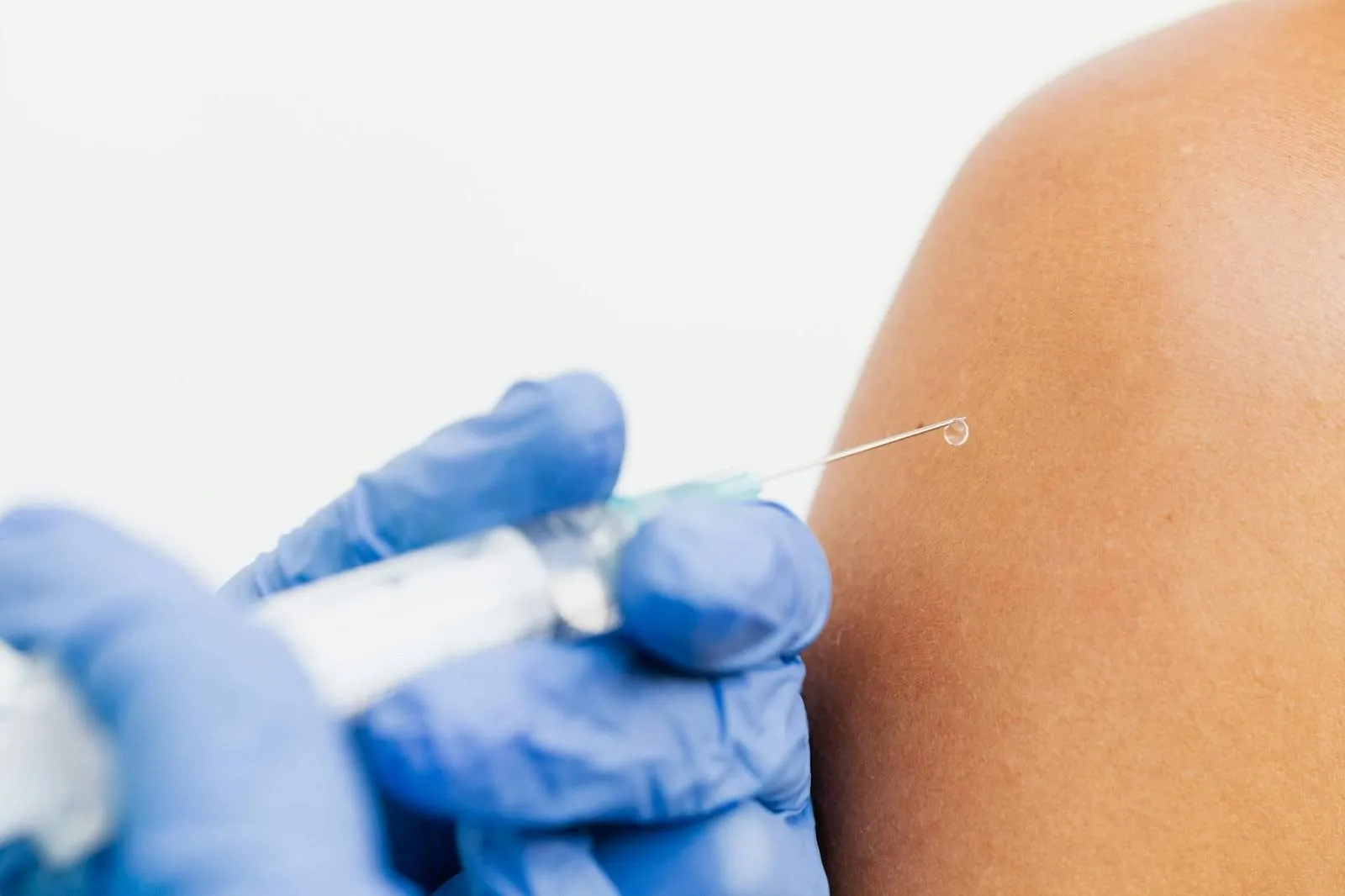
There are two main types of HPV vaccines currently utilized in clinical settings in Singapore. They differ in the number of HPV strains they protect against and their pricing.
1. Cervarix (HPV2 Vaccine)
Cervarix is known as a bivalent vaccine. The term “bivalent” means that it offers protection against two specific types of the virus.
- Strains Covered: This vaccine targets HPV types 16 and 18.
- Primary Focus: These two strains are the most aggressive high-risk types. They are responsible for a large majority of HPV-related cancers, including anal and throat cancers.
- Relevance: Cervarix is a highly effective vaccine for preventing the cellular changes that lead to cancer. It induces a strong immune response against types 16 and 18. However, it is important to note that Cervarix does not contain the viral strains 6 and 11. Therefore, it does not provide protection against genital warts.
- Cost: At AscendCare Medical Clinic, Cervarix is priced at $90 per dose.
2. Gardasil 9 (HPV9 Vaccine)
Gardasil 9 is a nonavalent vaccine. This means it provides protection against nine different types of HPV. It is the most comprehensive HPV vaccine currently available on the market.
- Strains Covered: This vaccine targets HPV types 6, 11, 16, 18, 31, 33, 45, 52, and 58.
- Relevance for Men:
- Wart Protection: By including types 6 and 11, Gardasil 9 offers protection against genital warts. This is a significant differentiator for men who wish to avoid this common condition.
- Broader Cancer Protection: In addition to types 16 and 18, it covers five other high-risk strains (31, 33, 45, 52, 58). These additional strains account for a further percentage of HPV-related cancers.
- Why it is a Preferred Choice: For those who are sexually active with multiple partners, the inclusion of protection against genital warts makes Gardasil 9 a very practical option. It offers the widest range of coverage available in a single vaccine.
- Cost: At AscendCare Medical Clinic, Gardasil 9 is priced at $265 per dose.
- Package Pricing: We offer a pre-payment bundle for the full course. Pre-payment of 3 doses is $750, which allows you to save $45 compared to paying per dose.
Comparative Analysis: Cervarix vs. Gardasil 9
Choosing between Cervarix and Gardasil 9 involves balancing your health priorities with your budget. Both vaccines are safe and effective, but they serve slightly different purposes regarding the scope of protection.
Scope of Protection
The primary difference lies in the number of strains covered. Cervarix focuses strictly on the two most dangerous cancer-causing strains (16 and 18). If your primary and only concern is cancer prevention, Cervarix offers a targeted solution. Gardasil 9 builds upon this by adding protection against seven additional strains. Two of these (6 and 11) are for warts, and five are for additional cancer risks.
Genital Warts Consideration
This is often the deciding factor for many male patients. Cervarix does not protect against genital warts. If preventing genital warts is a priority for you, Gardasil 9 is the only option that covers the relevant strains. Given the prevalence of genital warts in sexually active populations, many men opt for the broader coverage despite the price difference.
Cost Implications
There is a distinct price difference between the two options. Cervarix is more affordable at $90 per dose, making the total course significantly cheaper than Gardasil 9. Gardasil 9 commands a higher price of $265 per dose due to the broader spectrum of the vaccine. Patients must weigh the cost against the benefit of protection against warts and a wider range of cancer-causing strains.
Vaccination Schedule and Dosage
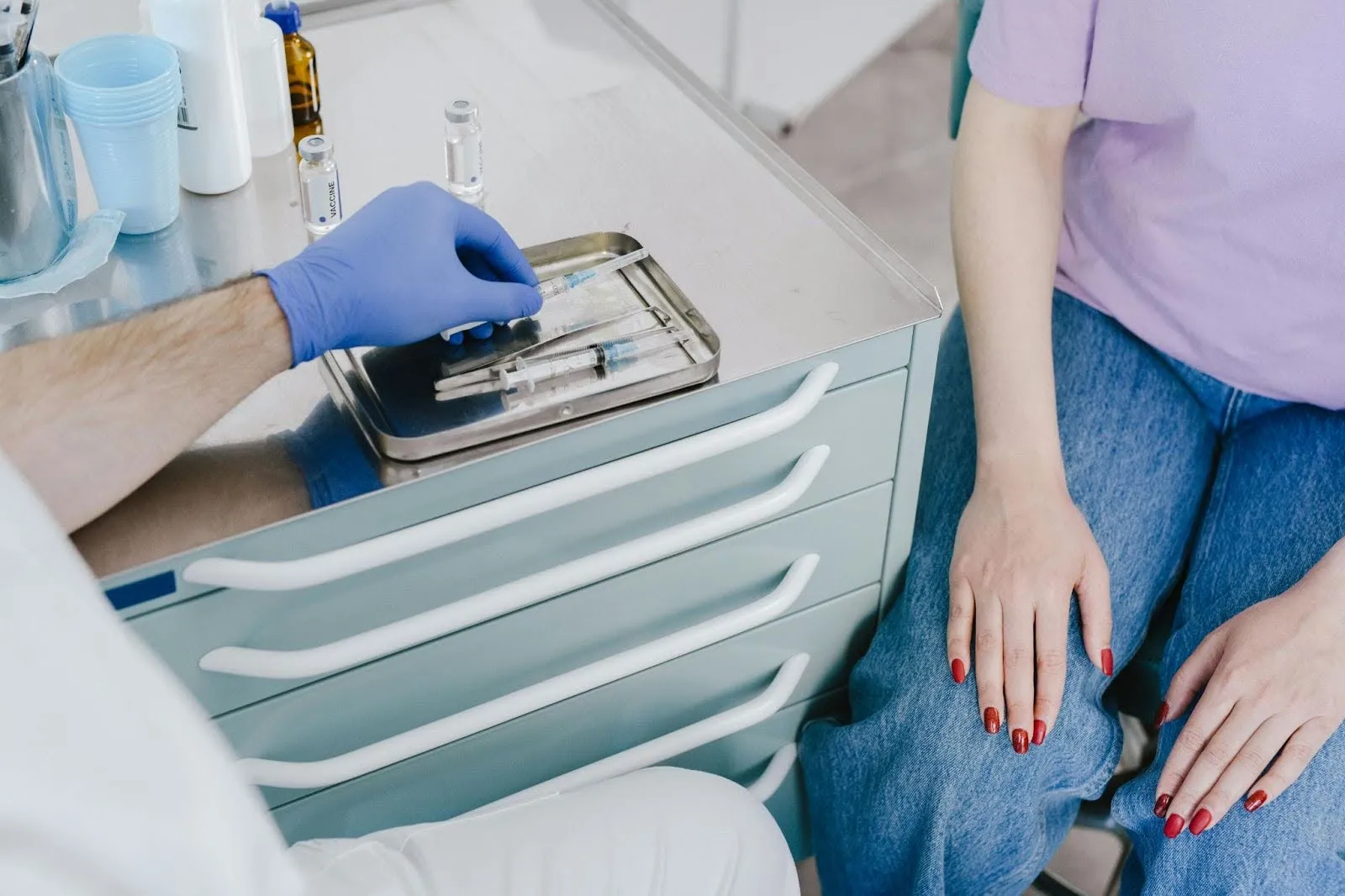
To achieve full immunity, the HPV vaccine is administered in a series of doses. For adults aged 15 and above, the standard requirement is a three-dose schedule. It is essential to complete the full course to ensure the vaccine is effective.
The Standard Schedule:
- First Dose: This is administered on your chosen start date.
- Second Dose: This is administered 2 months after the first dose.
- Third Dose: This is administered 4 months after the second dose.
The entire process typically takes about 6 months to complete. For example, if you receive your first dose in January, your second dose would be in March, and your third dose would be in July.
Flexibility and Missed Doses
It is common for patients to have busy schedules, and sometimes a dose may be delayed. If you miss a scheduled date, you do not need to restart the series from the beginning. The clinic can arrange for a catch-up dose to continue the schedule where you left off. However, it is recommended to adhere as closely as possible to the schedule for the best immune response.
Safety Profile and Side Effects
Both Cervarix and Gardasil 9 have undergone rigorous safety testing and are approved for use in Singapore. They are used globally and have a well-established safety profile. As with any medication or vaccination, side effects can occur, but they are generally mild and temporary.
Common Side Effects:
- Injection Site Reactions: The most common side effect is soreness, redness, or swelling at the spot on the arm where the injection was given. This usually subsides within a day or two.
- General Symptoms: Some individuals may experience a mild fever or a headache shortly after vaccination.
- Fatigue: A feeling of tiredness is reported by some patients but typically resolves quickly.
Safety Record
Extensive studies have shown no link between HPV vaccines and serious long-term health issues. The vaccines do not contain live viruses, so they cannot cause an HPV infection or cancer.
Contraindications
While safe for most, there are rare instances where the vaccine may not be suitable. Individuals who have had a severe allergic reaction (anaphylaxis) to a previous dose of the HPV vaccine or to any component of the vaccine (such as yeast in Gardasil 9) should not receive it. During your consultation, the doctor will review your medical history to ensure it is safe for you to proceed.
The Vaccination Process at AscendCare Medical Clinic
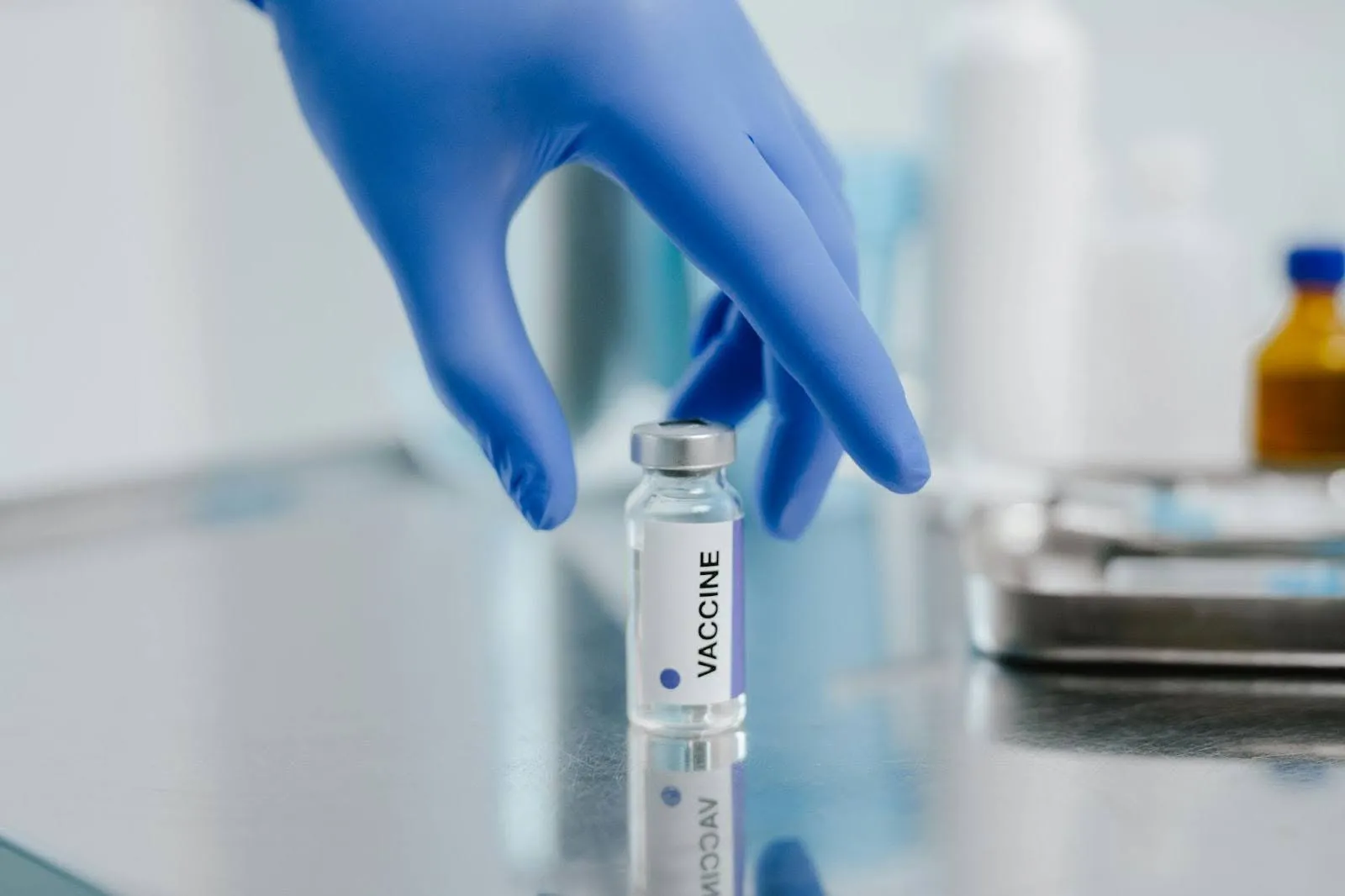
We understand that visiting a clinic for sexual health matters can sometimes feel daunting. At AscendCare Medical Clinic, we strive to make the process as smooth, discreet, and comfortable as possible.
Step 1: Registration and Consultation
Upon arrival, you will be registered into our system. You will then have a consultation with our doctor. This is a good time to ask any specific questions you might have about the vaccines. The doctor will briefly review your medical history to confirm your eligibility.
Step 2: Administration
The vaccine is administered via an intramuscular injection, usually into the deltoid muscle of the upper arm. The procedure is quick and generally involves only a momentary pinch.
Step 3: Observation
After the injection, you will be asked to remain at the clinic for approximately 15 minutes. This is a standard safety protocol for all vaccinations to monitor for any immediate reactions, such as fainting, which can occasionally happen due to anxiety or the injection process itself.
Step 4: Scheduling Follow-ups
Before you leave, our staff can assist you in scheduling your next dose to ensure you stay on track with your vaccination schedule.
Confidentiality
We prioritise patient privacy. All your medical records and the nature of your visit are kept widely confidential. Our clinic environment is non-judgmental and inclusive, ensuring you feel respected throughout your visit.
Pricing and Payment Transparency
At AscendCare Medical Clinic, we believe in transparent pricing so you can manage your healthcare costs effectively. We provide the costs upfront with no ambiguity.
- Cervarix: The cost is $90 per dose. A full course of three doses will cost $270 if paid per visit.
- Gardasil 9: The cost is $265 per dose. If paid per visit, the total for three doses is $795.
- Gardasil 9 Bundle: We offer a pre-payment package for Gardasil 9. If you pay for all three doses upfront, the total cost is 750. This package offers a savings of 45 compared to the per-dose payment method.
We accept various modes of payment for your convenience. If you have questions regarding insurance claims or corporate coverage, our front desk staff can assist in checking what is applicable to your specific situation.
Conclusion On HPV Vaccine Types
Taking control of your sexual health is a proactive step towards a healthier future. For the LGBTQ+ community, and specifically for sexually active men, HPV vaccination is a critical tool in preventing conditions ranging from genital warts to anal and throat cancers.
While Cervarix offers affordable protection against the most dangerous cancer-causing strains, Gardasil 9 provides the most comprehensive coverage available, including protection against warts. We encourage you to review these options and choose the protection that best suits your lifestyle and health goals.
We are available through call, email and WhatsApp.
Feeling anxious about your concerns or preferring to speak to us. Drop us your concerns! Contact us. Our team is on standby to respond to you as soon as possible. For a list of our services, visit our website at AscendCare Medical Clinic.
Frequently Asked Questions About HPV Vaccine Types
What Is The Difference Between Cervarix And Gardasil 9?
The main difference lies in the number of HPV strains they target. Cervarix is a bivalent vaccine that protects against HPV types 16 and 18, which are high-risk strains linked to cancer. Gardasil 9 is a nonavalent vaccine that protects against 9 strains: 6, 11, 16, 18, 31, 33, 45, 52, and 58. Crucially, Gardasil 9 protects against types 6 and 11, which cause genital warts, whereas Cervarix does not.
Is The HPV Vaccine Recommended For Men?
Yes, the HPV vaccine is strongly recommended for men. It protects against genital warts and cancers of the anus, penis, and throat (oropharynx). For men who have sex with men, the risk of anal cancer associated with HPV is higher, making vaccination an important preventative health measure. It also helps reduce the spread of the virus to partners.
How Many Doses Of HPV Vaccine Are Needed For Adults?
For individuals aged 15 and older, a total of three doses are required to build full immunity. The second dose is given 2 months after the first, and the third dose is given 4 months after the second. It is important to complete all three doses for the vaccine to be fully effective.
What Are The Side Effects Of The HPV Vaccine?
The side effects are generally mild. The most common reaction is pain, redness, or swelling at the injection site on the arm. Some people may experience a mild fever, headache, or fatigue. These symptoms usually resolve on their own within a shortly after vaccination. Serious side effects are very rare.
Does The HPV Vaccine Protect Against All STDs?
No, the HPV vaccine only protects against specific strains of the Human Papillomavirus. It does not provide protection against other sexually transmitted diseases such as HIV, Syphilis, Gonorrhoea, or Chlamydia. It is still important to practice safe sex and undergo regular STD screening for comprehensive sexual health.
How Much Does The HPV Vaccine Cost In Singapore?
At AscendCare Medical Clinic, the price depends on the vaccine type. Cervarix costs $90 per dose. Gardasil 9 costs $265 per dose. There is also a bundle package for Gardasil 9 where a pre-payment of 3 doses costs $750, offering a savings of $45.