Health screenings are a vital tool for maintaining your well-being, specifically for sexually active men in Singapore. Regular testing allows for the early detection of “silent” conditions, ranging from high cholesterol to sexually transmitted infections (STIs).
This guide provides a comprehensive walkthrough of the screening process to reduce anxiety and ensure you are fully prepared. We cover the importance of screenings, necessary preparations such as fasting, and exactly what happens during your appointment. This article aims to provide objective, professional information to help you manage your health proactively.
The Importance Of Health Screening
In the fast-paced environment of Singapore, prioritizing health is often delayed until symptoms appear. However, the primary goal of a health screening is preventive care. It involves evaluating your body for potential health issues before you feel unwell. This is particularly crucial for the LGBTQ+ community and sexually active men, as specific health risks require regular monitoring.
Early Detection Saves Lives
Many medical conditions do not show immediate symptoms. These are often referred to as “silent” diseases. Conditions such as high blood pressure (hypertension), high cholesterol (hyperlipidemia), and early-stage diabetes can develop gradually without causing physical discomfort. Without detection, these conditions can lead to serious complications like heart disease or kidney failure.
Similarly, many Sexually Transmitted Diseases (STDs) and HIV may not present symptoms for months or even years. This period is known as the asymptomatic stage. During this time, an individual can unknowingly transmit the infection to partners. Regular screening allows for early identification. Early detection leads to earlier treatment, which significantly improves health outcomes and prognosis.
Peace of Mind for Your Sexual Health
For sexually active men, sexual health is a core component of overall well-being. Uncertainty regarding your health status can lead to unnecessary anxiety. Regular screenings provide factual data about your health.
Knowing your status regarding HIV and other STDs is responsible behavior. It allows you to take necessary precautions to protect yourself and your partners. If a test result is positive, modern medicine offers effective treatments that manage these conditions efficiently, often allowing individuals to live normal, healthy lives. If the result is negative, it provides reassurance and an opportunity to discuss preventive measures, such as PrEP (Pre-Exposure Prophylaxis), with your doctor.
Benefits Of Health Screening
Engaging in routine health screenings offers advantages that extend beyond just medical results. It is a strategic approach to managing your life and finances.
Lower Long-term Healthcare Costs
There is a distinct economic benefit to preventive medicine. treating a condition in its early stages is generally less complex and more affordable than managing advanced disease. For example, managing pre-diabetes through diet is cost-effective compared to the lifelong medical costs associated with insulin-dependent diabetes.
In the context of sexual health, treating an STD like Chlamydia or Syphilis involves a simple course of antibiotics. However, if left untreated, these infections can cause severe complications requiring extensive and expensive medical intervention. Regular screenings act as a safeguard, potentially saving significant healthcare expenditure in the long run.
Personalised Health Insights
A health screening provides a baseline of your current physiological status. It gives you a set of data points, such as your blood pressure, Body Mass Index (BMI), and blood profile, that you can track over time.
With these results, a General Practitioner (GP) can provide advice tailored specifically to your lifestyle. Instead of generic health tips, you receive guidance based on your actual risk factors. For instance, if your liver enzymes are slightly elevated, the doctor can discuss alcohol consumption or diet changes specific to your needs. This personalised approach empowers you to make informed decisions about your daily habits.
Types Of Health Screenings Available
Clinics in Singapore typically offer various screening packages. Understanding the difference between general health and sexual health screenings helps you choose the right service.
General Health Screening
A general health screening focuses on the metabolic and physical functions of the body. These screenings are designed to detect chronic illnesses. Standard components usually include:
- Iron Studies: A series of blood tests that measure iron levels, ferritin, and the blood’s capacity to transport iron to check for anemia or iron overload.
- Cancer Screening: Tests or exams used to detect potential malignancies in the body before a person has any symptoms.
- Biometrics: Measurement of height, weight, and calculation of Body Mass Index (BMI).
- Cardiovascular Checks: blood pressure readings to check for hypertension.
- Lipid Profile: A blood test to measure Total Cholesterol, HDL (good cholesterol), LDL (bad cholesterol), and Triglycerides.
- Blood Glucose: Tests to screen for diabetes, often requiring fasting.
- Organ Function: Liver and kidney function tests to ensure these organs are filtering blood and processing toxins correctly.
- Full Blood Count: This checks for anaemia, infection markers, and blood clotting ability.
Sexual Health And STD Screening
For the target audience of sexually active men, specific panels focus on infectious diseases. These screenings are confidential and conducted with professionalism. Common tests include:
- HIV Screening: This can involve rapid finger-prick tests or standard blood drawn from the vein. Modern tests can detect both the antigen and antibody (4th Generation tests).
- Syphilis Testing: Usually a blood test to detect antibodies against the bacteria that causes Syphilis.
- Hepatitis B and C: Blood tests to check for liver infections that can be transmitted sexually or through blood contact.
- Urine Analysis: To test for bacterial infections like Chlamydia and Gonorrhoea in the urethra.
- Swab Tests: Depending on sexual practices, swabs may be taken from the throat or rectum to detect Chlamydia and Gonorrhoea, as these sites can harbor infections even without symptoms.
How To Prepare For Your Health Screening
Proper preparation is essential for accurate results. Failure to prepare correctly can lead to inconclusive results or the need for a repeat test.
The Days Leading Up To The Appointment
Preparation begins before the actual day of the screening.
- Dietary Adjustments: It is advisable to avoid alcohol for at least 24 hours before your screening. Alcohol can temporarily affect blood pressure and liver function test results, potentially showing false abnormalities.
- Sleep: Aim for 6 to 8 hours of quality sleep the night before. Lack of sleep can impact your heart rate and blood pressure, leading to readings that do not reflect your resting state.
- Physical Activity: Avoid strenuous exercise immediately before your appointment, as this can temporarily raise protein levels in urine and affect muscle enzyme markers in the blood.
Fasting Requirements
Fasting is a common requirement for many health screening packages, particularly those checking for diabetes (blood sugar) and cholesterol (lipids).
- General Rule: Typically, you will be required to fast for 8 to 10 hours before your appointment. This means no food, no snacks, and no beverages containing calories or sugar (like juice, coffee, or tea).
- What You Can Drink: You are allowed and encouraged to drink plain water. Keeping hydrated makes your veins easier to find during the blood draw (venepuncture), making the process smoother and faster. It also helps with providing a urine sample.
Medication And Supplements
Patients often ask if they should pause their medication.
- Routine Medication: Generally, you should continue to take your regular medication for conditions like high blood pressure, unless your doctor instructs otherwise.
- Diabetic Medication: If you are diabetic, consult the clinic beforehand. Fasting while taking diabetic medication can lead to hypoglycemia (dangerously low blood sugar). The doctor may advise you to skip your morning dose until after the blood test and breakfast.
- Supplements: Inform the doctor about any vitamins or supplements you take, as some can interfere with specific lab tests.
What To Wear And Bring
Practical preparation ensures the registration and testing process is efficient.
- Clothing: Wear a top with loose sleeves or a short-sleeved shirt. This allows the nurse or phlebotomist easy access to your arm for the blood pressure check and blood draw.
- Documents: Bring your NRIC/FIN for registration. If you have previous medical reports from other clinics, bringing them can be helpful for comparison.
- Medication List: Having a list of your current medications helps the doctor interpret your results accurately.
What To Expect During The Appointment
Understanding the flow of the appointment can reduce anxiety. Here is a step-by-step overview of a typical visit to a GP clinic for screening.
Registration And Privacy
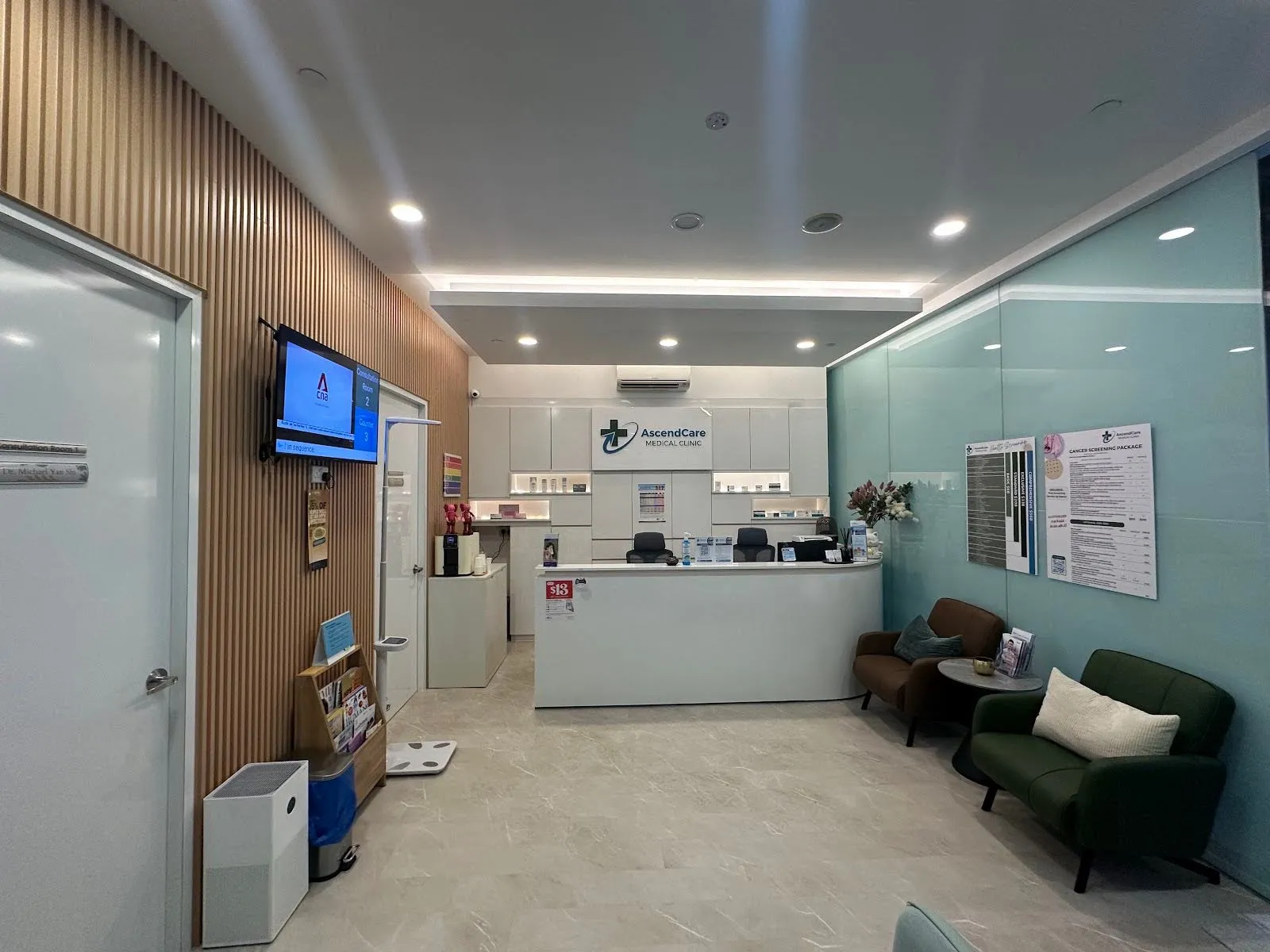
Upon arrival, you will register at the counter. In Singapore, medical clinics adhere to strict patient confidentiality laws. Your personal data and medical records are kept private.
For patients visiting for sexual health matters, privacy is often a primary concern. Staff are trained to handle registrations discreetly. You will not be asked to announce the specific reason for your visit loudly in the waiting area. The environment is designed to be professional and administrative.
The Consultation Phase
Before any tests are done, you will have a consultation with the doctor.
- History Taking: The doctor will ask about your medical history, family history (e.g., if your parents have diabetes), and lifestyle habits (smoking, alcohol).
- Sexual History: For STD screenings, the doctor needs to understand your risk profile to order the correct tests. They may ask about the number of partners, the gender of partners, sexual practices (oral, anal, vaginal), and use of protection.
- Open Communication: It is vital to answer these questions honestly. The clinic provides a non-judgmental space. The doctor’s objective is to ensure you receive the appropriate swabs and blood tests. For example, a throat swab is only necessary if oral sex is part of your history.
The Physical Examination
The physical assessment is standard and objective.
- Biometrics: You will stand on a scale to measure weight and have your height taken to calculate BMI.
- Vital Signs: A cuff will be placed on your arm to measure blood pressure. A pulse oximeter may be placed on your finger to check oxygen levels and heart rate.
- Clinical Exam: The doctor may listen to your heart and lungs with a stethoscope and palpate (press) your abdomen to check for organ enlargement or tenderness.
Sample Collection Process
This is the technical part of the screening where samples are collected for the laboratory.
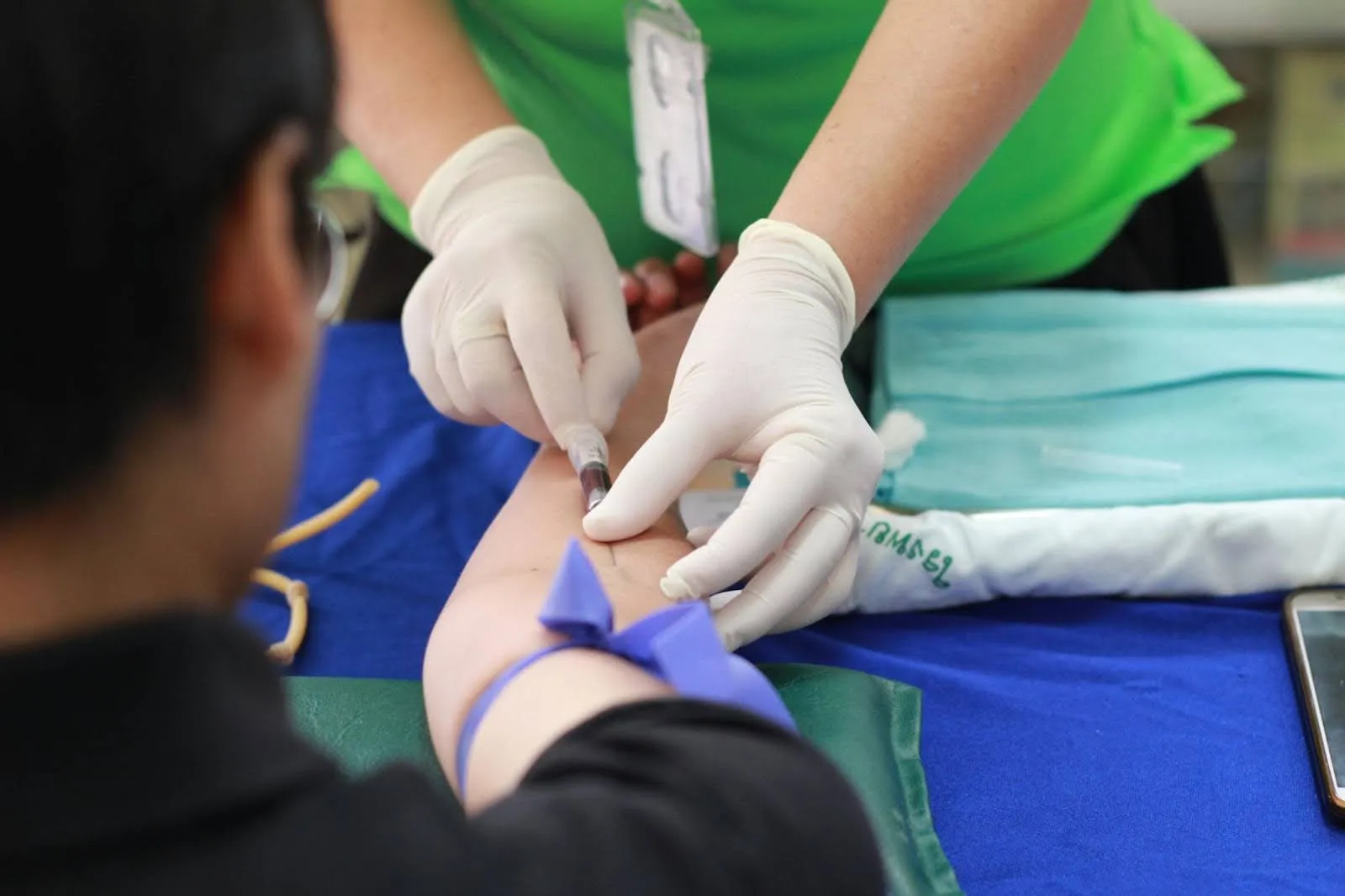
- Blood Test (Venepuncture):
- You will sit in a chair, and a tourniquet (band) will be tied around your upper arm.
- The professional will clean the area with an alcohol wipe.
- A needle is inserted to draw blood into small tubes. You may feel a slight pinch, but the process is quick, usually taking less than two minutes.
- Once done, a plaster is applied.
- Urine Sample:
- You will be given a sterile container.
- You will be instructed to collect a “mid-stream” sample. This means you pass the first part of the urine into the toilet, catch the middle part in the container, and finish in the toilet. This flushes out surface bacteria for a cleaner sample.
- Swabs (If Applicable):
- For STD testing, swabs may be required.
- Throat Swab: Similar to a COVID test but focused on the back of the throat.
- Rectal Swab: You may be asked to self-collect this in the privacy of the toilet, or the doctor can do it. It involves inserting a thin cotton bud slightly into the rectum.
After The Screening: Results And Follow-up

Once the samples are collected, your appointment concludes. However, the process is not complete until the results are reviewed.
Understanding Your Results
Samples are sent to accredited laboratories for analysis. Turnaround time varies:
- Rapid Tests: Some HIV or Syphilis rapid tests provide results in 20 minutes.
- Standard Lab Tests: General health and comprehensive STD panels typically take 3 to 5 working days.
Results are usually generated in a report format. They will show your value alongside a “Reference Range” (the normal range for the general population).
- General Health: Values outside the range are often highlighted (e.g., in bold or red).
- STD Tests: Results will typically read “Non-Reactive” (Negative) or “Reactive” (Positive).
The Post-Screening Review
It is standard practice to review the results with your doctor. Receiving an email report is convenient, but a doctor’s interpretation is crucial.
- Context Matters: A value slightly outside the normal range is not always a medical emergency. The doctor interprets this in the context of your overall health.
- Avoiding Misinterpretation: searching online for “abnormal results” can lead to unnecessary panic. A medical professional can explain what the numbers actually mean for you.
Next Steps For Treatment Or Prevention
The screening results will dictate the next steps.
- If Results are Normal: The doctor will advise on when your next screening should be. They may suggest vaccines (like HPV vaccine or Hepatitis B) if you are not immune.
- If Metabolic Issues are Found: If cholesterol or blood pressure is high, the doctor may suggest lifestyle modifications, such as diet changes or exercise, before starting medication.
- If an STD is Detected: The clinic will guide you through treatment options. Bacterial infections like Chlamydia, Gonorrhoea, and Syphilis are treatable with antibiotics. HIV is a manageable chronic condition with antiretroviral therapy. The focus is on immediate management and support.
Conclusion On Health Screenings
Taking charge of your health through regular screening is a responsible and empowering decision. It moves you from a position of uncertainty to a position of knowledge. While feelings of anxiety regarding medical appointments are normal, understanding the process helps to alleviate fear. By preparing correctly, fasting as required, bringing the right documents, and knowing what to expect, you ensure a smooth and efficient experience.
We encourage you to prioritize your well-being. Whether it is for general maintenance or specific sexual health concerns, a health screening is the first step toward a healthier future.
We are available through call, email and WhatsApp.
Feeling anxious about your concerns or preferring to speak to us. Drop us your concerns! Contact us. Our team is on standby to respond to you as soon as possible. For a list of our services, visit our website at AscendCare Medical Clinic.
Frequently Asked Questions About Health Screening
Why Is Health Screening Important In Singapore?
Health screening is important in Singapore because the urban lifestyle can contribute to risk factors like stress, sedimentary habits, and poor diet. The Ministry of Health encourages regular screening to detect chronic diseases and STDs early. Early detection allows for more effective treatment, prevents complications, and ensures a better quality of life. It shifts the focus from treating illness to maintaining wellness.
What Is Included In A Basic Health Screening?
A basic health screening usually covers four main metrics: Body Mass Index (BMI) to assess weight; Blood Pressure measurement to check for hypertension; a Lipid Panel to check cholesterol levels; and a Fasting Blood Glucose test to screen for diabetes. Depending on the clinic, it may also include a basic consultation with a doctor to review these metrics and discuss lifestyle habits.
How Do I Prepare For A Health Screening?
To prepare for a health screening, you should fast for 8 to 10 hours if required (usually for sugar and cholesterol tests). Drink plenty of plain water to stay hydrated. Avoid alcohol for 24 hours prior to the test. Wear loose, comfortable clothing to allow easy access for blood drawing. Bring your NRIC/FIN and any existing medical reports or medication lists you have.
Is Fasting Required For Health Screening?
Yes, fasting is generally required for comprehensive health screenings that include blood glucose (sugar) and lipid (cholesterol) panels. The standard fasting period is 8 to 10 hours. However, some basic screenings or specific STD tests may not require fasting. It is best to check the specific instructions provided by your clinic upon booking.
How Often Should I Go For A Health Screening?
The frequency depends on your age and risk profile. Generally, individuals over 30 or those with risk factors (such as smoking or family history of disease) should screen once a year. For sexually active men, particularly those with multiple partners, sexual health screenings for STDs and HIV are recommended every 3 to 6 months. Your doctor can recommend a schedule based on your specific needs.
What Is The Difference Between A Health Screening And A Checkup?
While often used interchangeably, there is a subtle difference. A health screening is typically done when you feel healthy and have no symptoms, with the goal of detecting hidden diseases (preventive). A medical checkup or consultation is often sought when you are already feeling unwell or have a specific symptom you want the doctor to investigate (diagnostic). However, a screening appointment will usually include a physical checkup component.