
Medical Care for Urinary Tract Infection (UTI) in Singapore
Get a Clinical Diagnosis and Medical Treatment Today
The discomfort of a UTI requires prompt medical attention. Our private clinic provides a safe, supportive, and judgment-free environment to help you manage your condition promptly.

What Is A Urinary Tract Infection (UTI)?
UTIs are common, especially among women, and can range from mild discomfort to serious infection if left untreated.
In Singapore, UTIs account for a large number of clinic visits each year, affecting both men and women, though women are more prone due to anatomical differences[2].
Prompt diagnosis and treatment help prevent recurrence and complications such as kidney infections[3].
Types Of Urinary Tract Infections
Cystitis (Bladder Infection)
- The most common type of UTI
- Affects the lower urinary tract (bladder)
- Causes frequent urination, pain, or burning sensation
Urethritis (Urethra Infection)
- Affects the tube that carries urine out of the body
- Often causes pain or burning during urination
Pyelonephritis (Kidney Infection)
- A more severe form that affects the kidneys
- Symptoms may include fever, chills, nausea, and back pain
Uncomplicated UTI
- Occurs in otherwise healthy individuals with no structural urinary abnormalities
Complicated UTI
- Linked to underlying conditions such as kidney stones, diabetes, or urinary obstruction
Recurrent UTI
- Defined as three or more infections within 12 months
- Requires further investigation and preventive strategies
Common Symptoms Of UTI

Burning sensation or pain when urinating (dysuria)

Frequent urge to urinate, with little urine passed

Urgency that’s hard to control

Cloudy, dark, or bloody urine

Strong or foul-smelling urine

Lower abdominal or pelvic pain

Sensation of incomplete bladder emptying

Fever, chills, or back pain — signs of possible kidney involvement
If you experience these symptoms, it’s important to see a doctor promptly for an accurate diagnosis and proper treatment.
UTI Test And Diagnosis Methods
At AscendCare, we perform comprehensive UTI tests in Singapore to identify the cause and guide appropriate treatment.
Diagnosis may include:
- Physical examination – checking the abdomen and lower back for tenderness
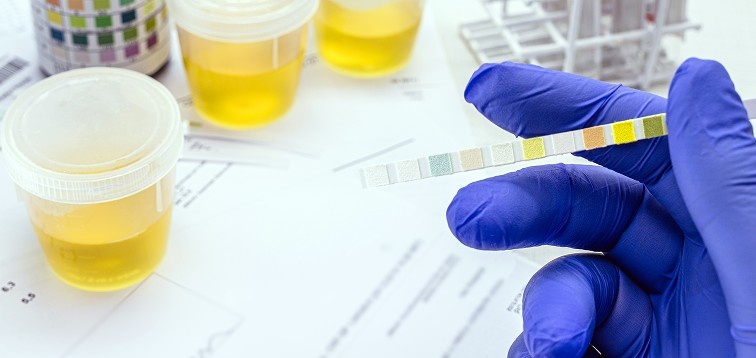
- Urinalysis – detects bacteria, white blood cells, and blood in the urine
- Urine culture and sensitivity testing – identifies the exact bacteria and most effective antibiotics
- Imaging tests (Ultrasound or CT scan) – for complicated or recurrent cases
Same-day urinalysis results are often available, allowing treatment to begin immediately.
Urinary Tract Infection Treatments
All UTI treatments are tailored based on your infection type and lab results.
Treatment options include:
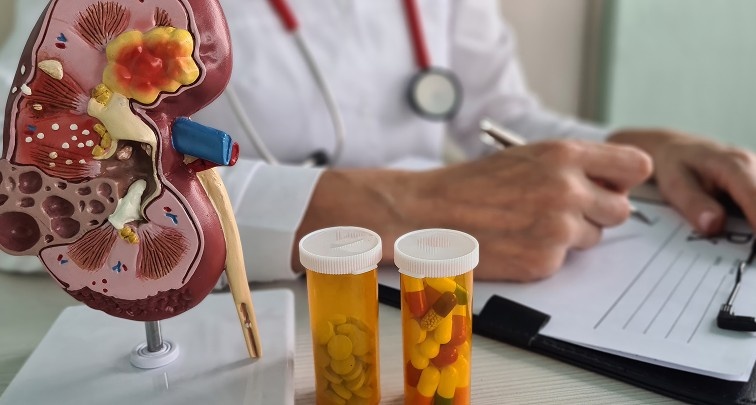
- Antibiotics – to clear the bacterial infection
- Pain relief medication – to ease discomfort and burning sensations
- Hydration and rest – to support recovery
- Follow-up testing – to ensure full clearance of infection
For recurrent or complicated UTIs, our doctor may recommend:
- Longer antibiotic courses or rotation
- Further imaging or urine analysis
- Lifestyle and preventive advice
Why Choose AscendCare for UTI Treatment?

Timely Clinical Diagnosis
Benefit from detailed UTI tests that identify the specific cause of your infection, allowing for targeted and focused treatment.

Discreet & Private Care
Your privacy is paramount. We provide a confidential and respectful environment for your consultation and treatment.

Judgment-Free Space
Feel safe and respected in a space where you can openly discuss your symptoms and concerns without fear of judgment.
Dedicated, Professional Care


Dr Michael Yan (Medical Director)
Duke NUS Singapore trained medical practitioner with special interest in sexual health
Dr Michael Yan, a graduate of the National University of Singapore (NUS) University Scholars Programme, leads our clinic with a special interest in infectious diseases and general health. His philosophy is rooted in providing compassionate, non-judgemental, and evidence-based medical care to every patient.
Dr Yan is a member of the Singapore Medical Association and the American Academy of Family Physicians, ensuring our clinic adheres to established standards of medical excellence and patient care.
Fully Licensed & HCSA Compliant
AscendCare Medical Clinic is fully licensed under the Healthcare Services Act (HCSA) by the Ministry of Health (MOH) Singapore[7]. This ensures our clinic adheres to the regulatory standards of safety, quality, and ethical practices for your complete peace of mind.






Consultation Pricing
Consultation
Doctor’s Consultation
from $28
(Medication and test costs are separate)
Your Consultation Journey

Private Consultation & Diagnosis
Discuss your symptoms in a private consultation with our doctor, followed by a standard UTI test to confirm the diagnosis.

Receive Your Treatment
Based on the diagnosis, you will receive a prescription for the appropriate antibiotics or other necessary medication.

Follow-Up & Confirmation
We schedule a follow-up review to ensure the treatment was successful and that you are symptom-free.
The Importance Of STD Screening
These infections can cause painful urination, discharge, or pelvic discomfort, often mistaken for a UTI[4].
Comprehensive STD screening ensures accurate diagnosis and effective treatment by identifying multiple causes at once.
Why STD screening matters:
- Some STDs show no visible symptoms but mimic UTI signs
- Early detection prevents complications and transmission
- Annual testing is recommended for sexually active individuals
- Testing after new sexual partners ensures safer relationships
At AscendCare, we provide confidential STD and UTI testing in Singapore for your peace of mind.
Accredited TPA Partners & Government Programmes
Affiliated TPA Partners




Government Programmes


Seek Medical Attention for Your Symptoms
At our Singapore clinic, you are provided with a professional, respectful, and completely confidential experience. We are here to provide the medical treatment you need, without judgement.
Frequently Asked Questions About Urinary Tract Infection Treatment In Singapore
What Are The Common Symptoms Of A UTI?
Note that each person will have different symptoms and exposure, hence a consultation with doctor will be recommended to understand your condition better.
Is A UTI Considered An STD?
No, a UTI is not a sexually transmitted disease (STD). It is typically caused by bacteria entering the urinary tract, although sexual activity can sometimes increase the risk.
Should I Get Tested For STDs If I Have A UTI?
If you are sexually active, especially with new or multiple partners, STD testing is recommended when experiencing urinary symptoms.
Many sexually transmitted infections (STIs) can mimic UTIs and require different treatment approaches. A combined UTI and STD test in Singapore ensures accurate diagnosis and effective treatment.
Is It Normal To Have Blood In My Urine With A UTI?
While it can be alarming, blood in urine (hematuria) is a possible symptom of a UTI caused by inflammation of the bladder or urethra[5].
However, it’s important to consult a doctor to rule out other causes such as kidney stones, injuries, or, rarely, tumors.
Can STDs Cause UTI Symptoms?
Yes. Sexually transmitted infections such as chlamydia and gonorrhoea can cause symptoms similar to UTIs, including painful urination, urinary frequency, and pelvic discomfort.
This is why comprehensive testing, including STD screening, is recommended if you are sexually active or have new partners.
What's The Difference Between A UTI And A Bladder Infection?
A bladder infection (cystitis) is a type of UTI that specifically affects the bladder.
The term UTI refers to any infection in the urinary tract — including the bladder, urethra, ureters, or kidneys.
Why Do UTIs Keep Coming Back?
Recurrent UTIs can occur due to incomplete treatment, poor hydration, or bacteria re-entering the urinary tract.
Women are more prone due to their shorter urethra. Maintaining good hygiene, staying hydrated, and completing prescribed medications can help prevent recurrence.
How Can I Prevent A UTI?
- Drink plenty of water daily
- Wipe front to back after using the toilet
- Urinate before and after sexual activity
- Avoid holding urine for long periods
- Wear breathable cotton underwear
- Get regular checkups if you are prone to infections
How Is A UTI Diagnosed?
Can A UTI Go Away On Its Own?
Mild UTIs may occasionally resolve without antibiotics, but self-treatment is not recommended.
Untreated UTIs can worsen or spread to the kidneys, causing serious complications. It’s best to see a doctor promptly for proper diagnosis and treatment.
How Long Does It Take To Recover From A UTI?
It’s important to finish your full course of medication to ensure complete recovery and prevent recurrence.
Medical Fact Check & References
Disclaimer: The information provided is for educational purposes only and does not constitute medical advice. A consultation with a qualified medical practitioner is required for diagnosis and treatment.